

The Beauty of Taking Things Apart
For experimental fashion designer Chul, creativity begins by questioning the familiar. His encounter with the Kubera reveals an unexpected connection between two worlds that share an instinct for challenging convention.
What happens when we stop accepting objects for what they are and begin imagining what else they could become?
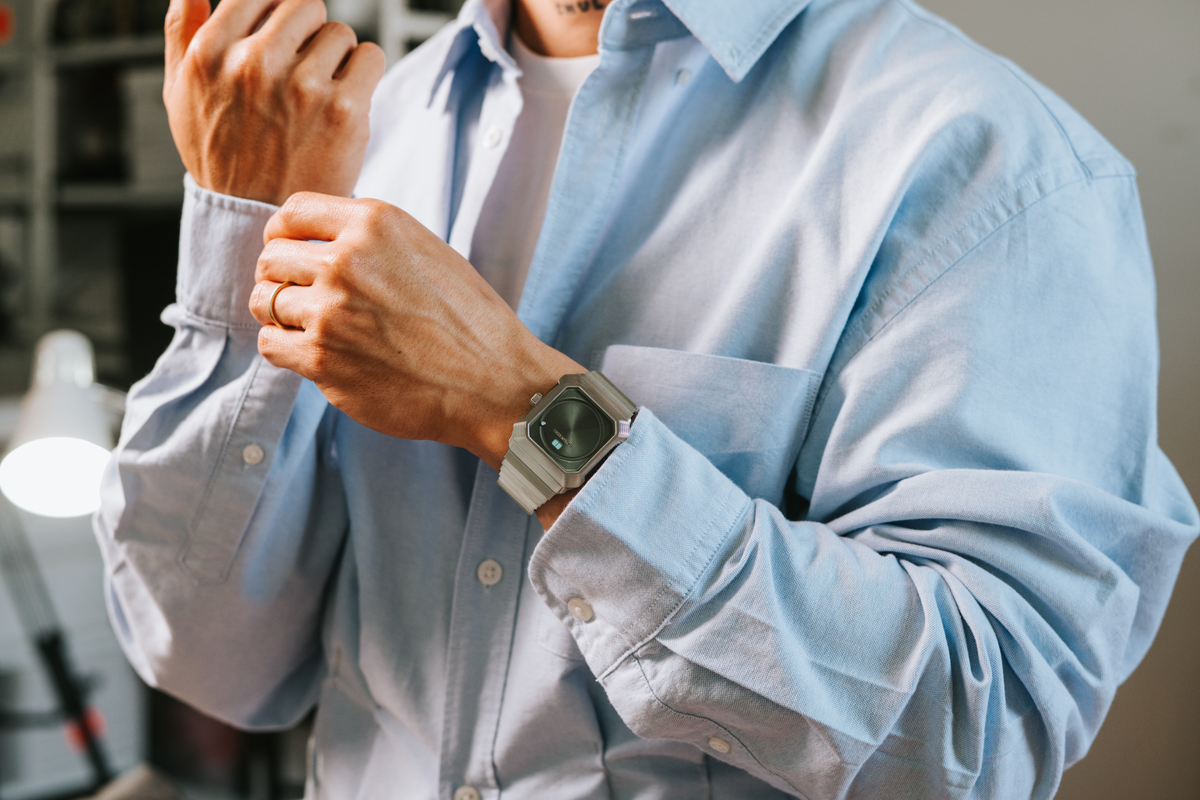
For Chul, a shirt is more than a familiar garment. It is a starting point for experimentation, where proportions, construction and unexpected details can transform something ordinary into something entirely different.
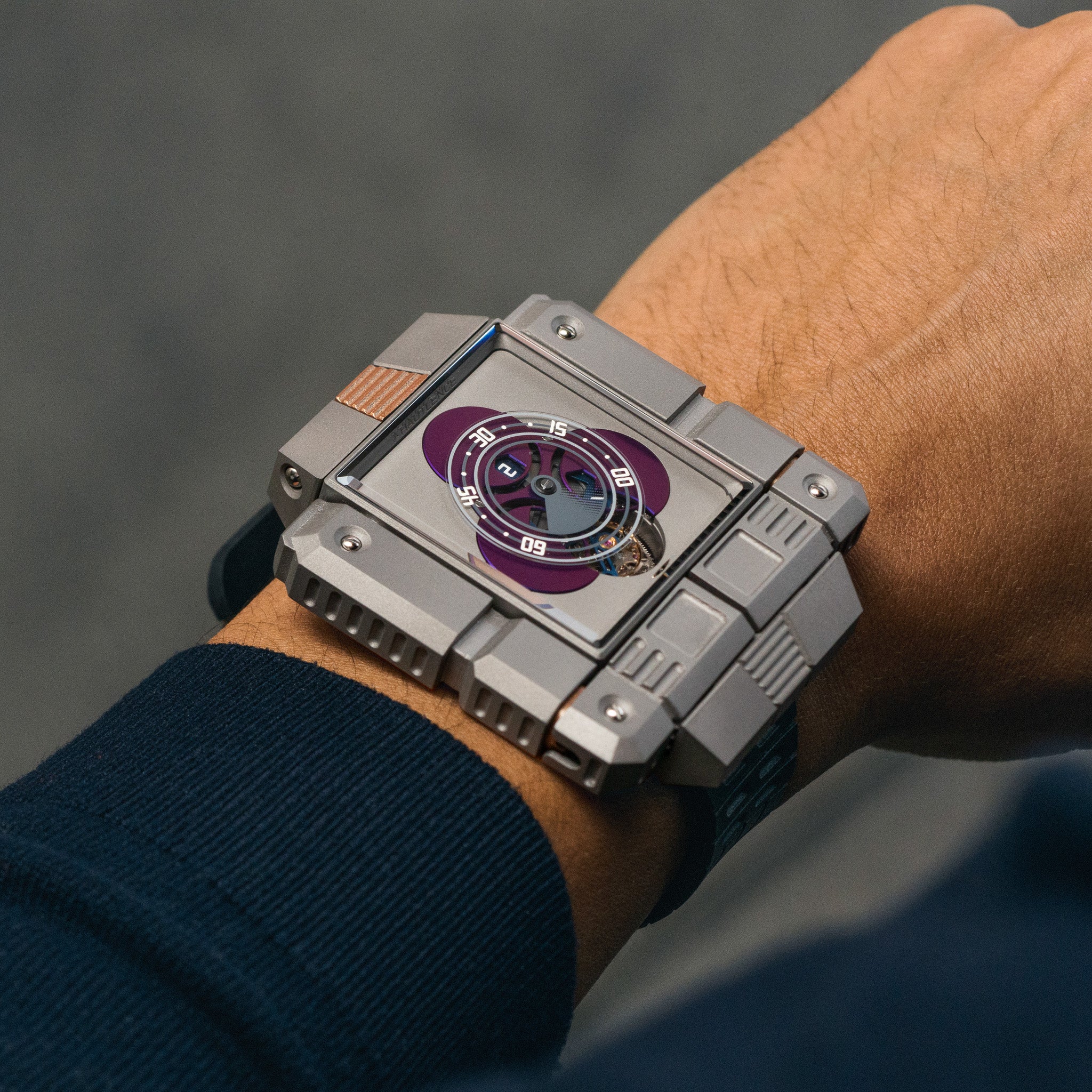
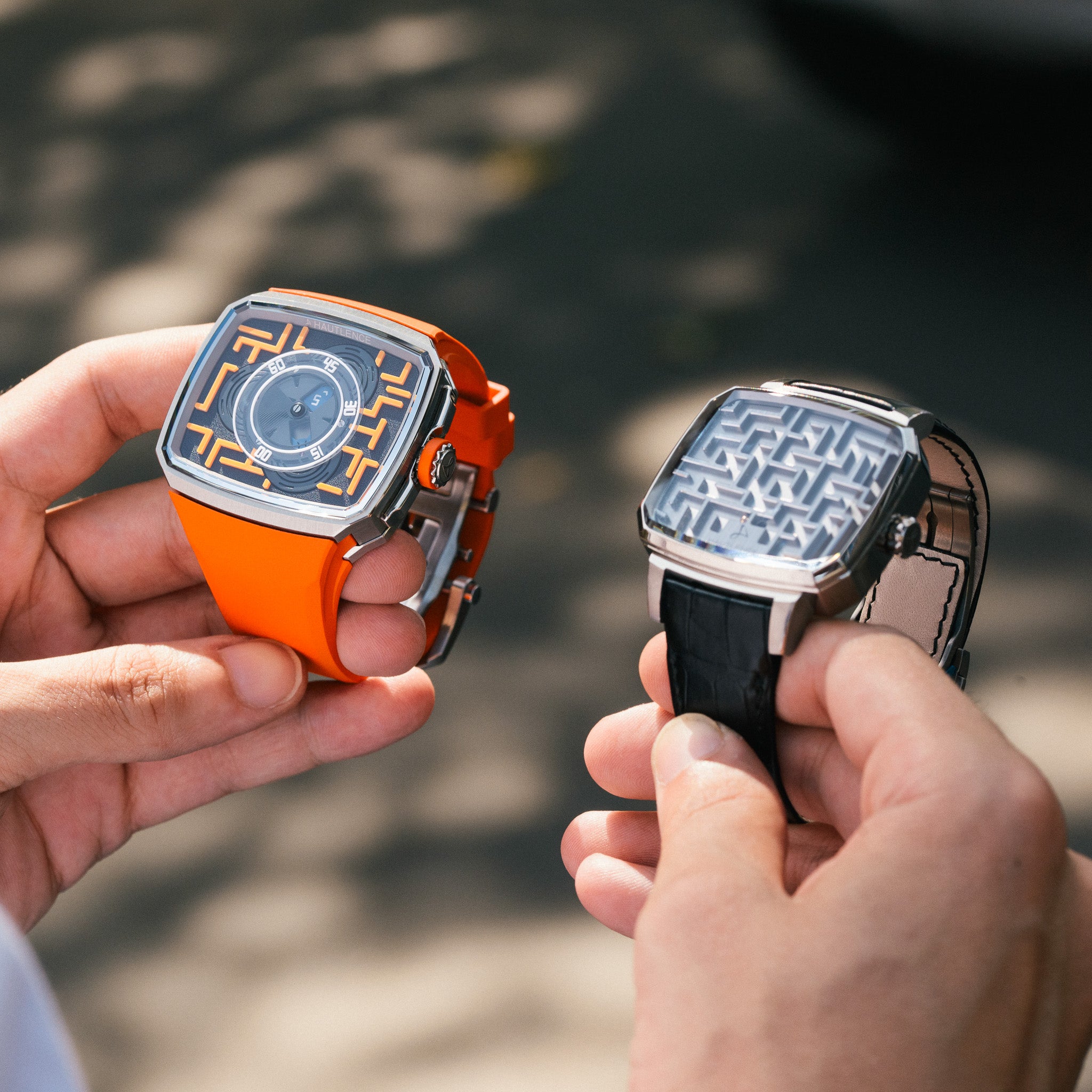
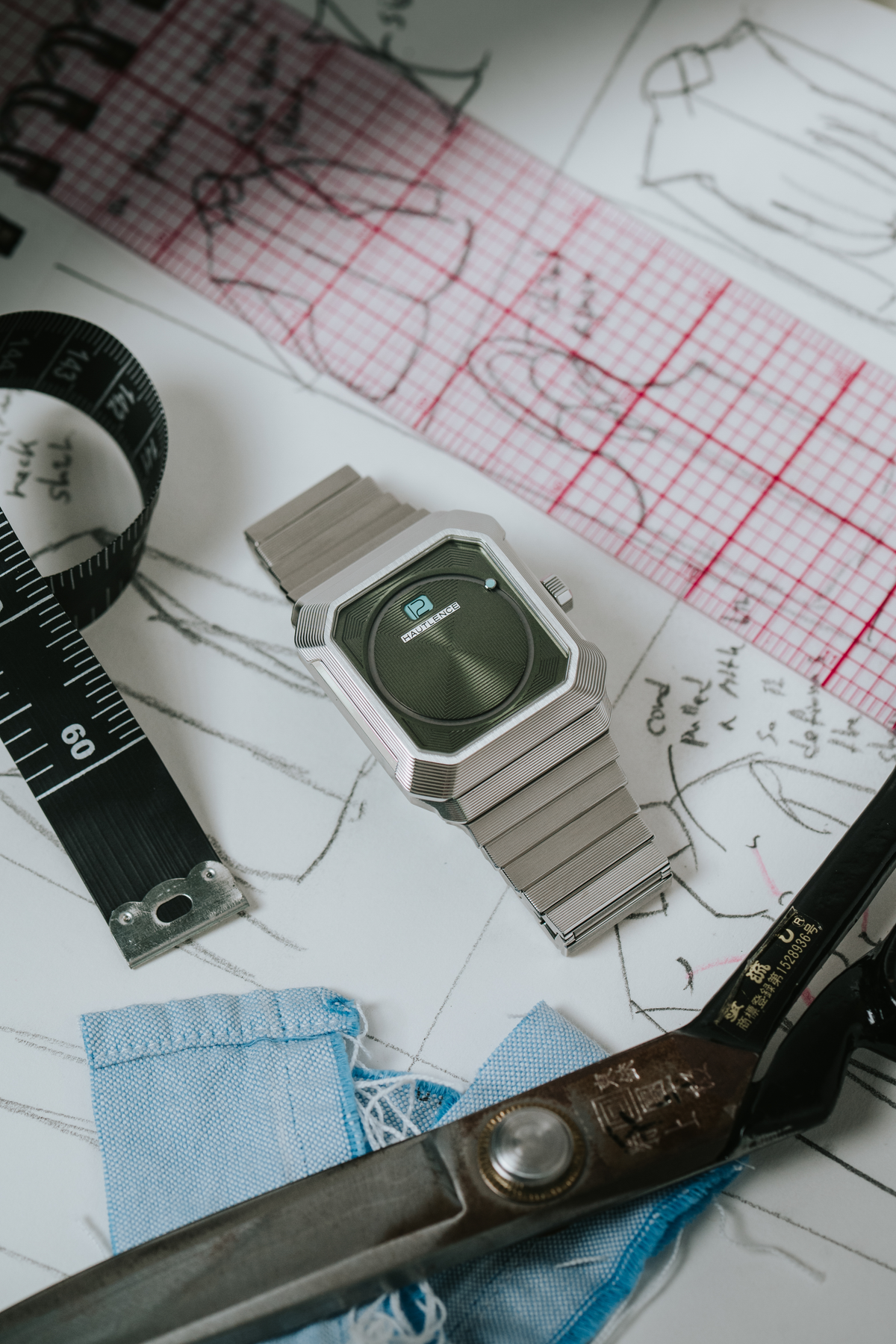
His approach finds a natural parallel in Hautlence, where traditional watchmaking conventions are continuously questioned. With its geometric architecture, layered construction and unconventional display of time, the Kubera challenges our expectations of what a watch should look like and how it should function.
Yet Chul's interpretation of the Kubera was never intended as a literal translation. Through an instinctive process of folding, reconstructing and experimenting with an existing shirt, he arrived at a design whose architectural layers unexpectedly echoed those of the watch.
The connection emerged not through imitation, but through a shared way of thinking.
We spoke with Chul about the beauty of taking things apart, the freedom of creating without a predetermined outcome, and why questioning the familiar can lead to something entirely new.
1. When you first saw and handled the Kubera, what was the first texture, shape, or movement that made you want to translate it into a shirt?
My immediate impression was how minimal it felt, not simply minimal, but intentionally minimal.
I wasn't necessarily looking to make a shirt because of the watch. Around that time, I was walking through Midtown in New York and looking at all the office workers wearing shirts and trousers. Everyone was dressed similarly, and I have always been interested in the shirt because it's such a simple, familiar garment worn by so many people.
I wanted to take something that ordinary and play with it with a sense of curiosity and playfulness. I never wanted to overly design it or add things just for the sake of making it different. I want to introduce a new way of looking at something we already know. That’s essentially what I always try to do with my work.
2. Hautlence reimagines how we read time, while your work reimagines how we understand a garment. What draws you to taking something familiar and making people see it differently?
I think part of it is simply my personality. I'm restless and I get bored of things easily. I've loved fashion since I was young, but growing up I couldn't afford expensive designer clothes, and even when I found clothes I could afford, it was difficult to find something that felt completely like me.
Because I didn't have much money, I had to be resourceful. I started altering and transforming clothes I already owned, especially basic things like T-shirts and shirts. I would look at something familiar and wonder what else it could become.
It wasn't something I intentionally developed as a design philosophy. It's just my lifestyle and has naturally become the way I design.
3. Your process often begins by taking an existing garment apart. What can deconstruction reveal that starting with a blank piece of fabric cannot?
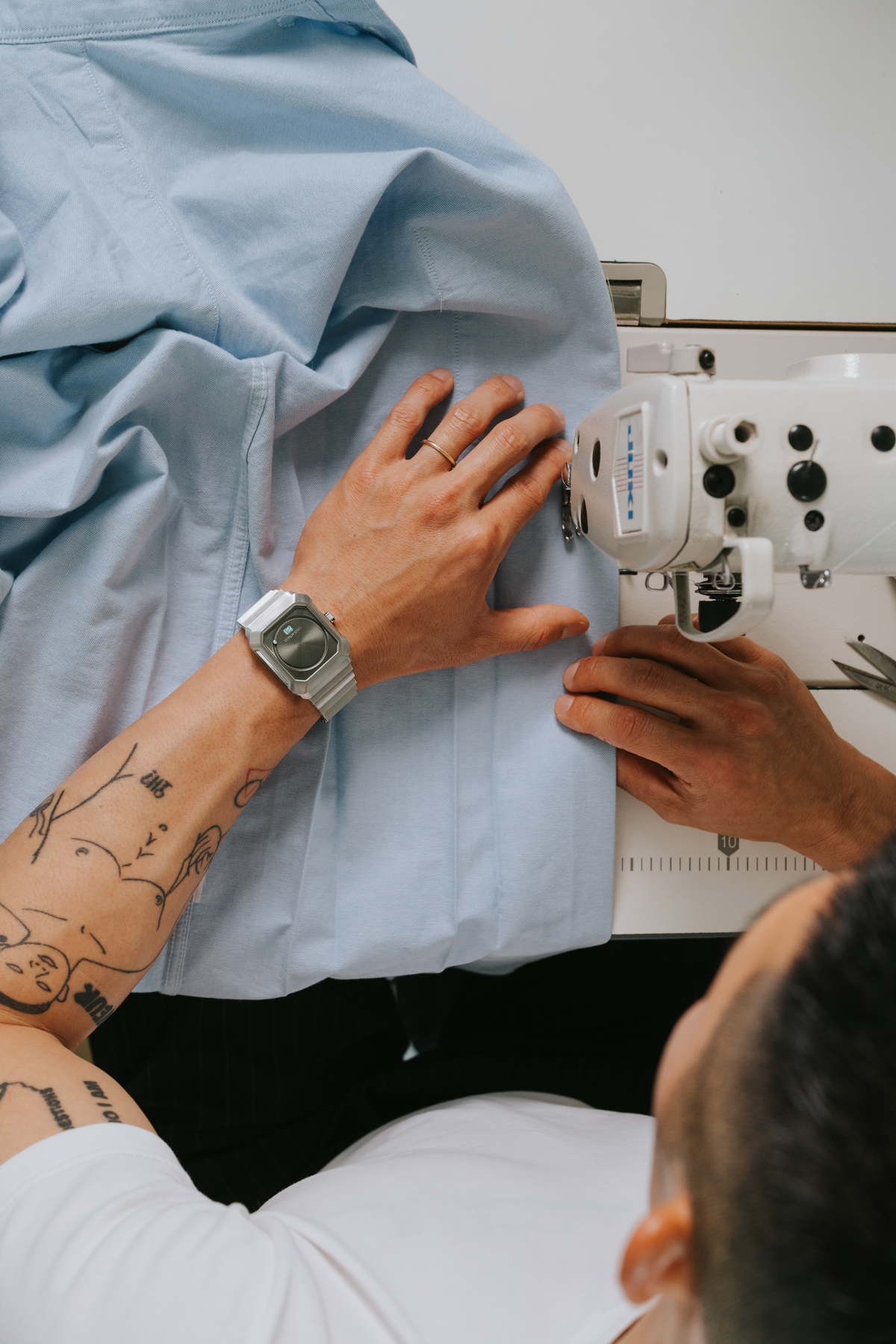
It's a little difficult to explain in words, but deconstructing an existing garment feels almost like playing with LEGO blocks to me. I take different parts of a garment, move them around, turn them in different directions, and piece them back together. There's a sense of playfulness to it.
I'm not always trying to reach a predetermined result, I often discover something new along the way.
But actually, I work similarly when I start with a blank piece of fabric. As I'm constructing a garment, I constantly try it on, even when only one part has been sewn. Sometimes seeing a garment when it's only partially constructed gives me an idea I wouldn't have had otherwise.
So whether I'm deconstructing an existing garment or making something from scratch, a lot of my ideas come from physically working with the garment and discovering new possibilities during the process.
4. The Kubera is defined by layered planes, geometric forms, and surfaces that change with the light. How did those qualities influence the structure or silhouette of this shirt?
To be honest, I didn't consciously set out to make a shirt that looked like the Kubera. But I think the watch influenced me more subconsciously.
For example, with the pleats I added to the existing shirt, my original plan was to sew them into more of a balloon shape. During the process, I changed my mind and finished them differently. When I looked at the result, I realized that the layers had started to resemble the layered planes and geometry of the Kubera.
I actually like that it happened this way. Inspiration isn't always literal or planned. Sometimes you absorb an object, an image, or a feeling, and it comes back through your hands without you consciously trying to reproduce it.
5. The name Kubera evokes the idea of hidden treasure, while upcycling reveals value in materials others might overlook. What do you look for when deciding that a garment still has another story to tell?
I believe every garment has potential that hasn't been discovered yet. I think about us as humans in a similar way. We all have potential and possibilities that are yet to be discovered if we dig a little deeper.
When I look at a garment, I try not to only see what it currently is. I think about what else it could become. A shirt doesn't necessarily have to remain a shirt in the way we normally understand one.
I think garments can go through many different phases, just like we do as humans. Our appearance, taste, and identity keep changing throughout our lives. When you look at a photo of yourself from ten years ago, you might be surprised by how different you looked, but it's still you. I think a garment can evolve in the same way. It can transform many times while still carrying its history with it.
6. Both the Kubera and your work make construction part of the visual language. Why is it important for people to sense the process behind an object rather than only see the finished result?
I think understanding the process changes the way we see an object. We naturally judge things by what we see on the surface, but when you understand the work, decisions, mistakes, and time that went into making something, you develop a different relationship with it.
For me, the process is also part of the identity of the piece. The finished object is only the final moment. Everything that happened before it got there is part of its story.
7. Your work challenges traditional ideas of beauty. What makes an unexpected seam, proportion, or imperfection feel intentional and beautiful to you?
Interestingly, not every detail in my work begins intentionally. Quite often, I discover something during the creative process.
I usually have a vague idea of the end result or a goal in mind, but I try not to be too rigid about it. I like to leave room for things to change and for unexpected ideas to come up during the process.
The same applies to beauty. I try to stay open to things that might initially seem ugly, strange, imperfect, or overlooked.
8. In this film, the sounds of cutting, folding, pinning, and sewing become part of the story. What can the act of making communicate that the finished garment alone cannot?
It reveals the garment's history. When you only see the finished piece, you see what it has become, but you don't necessarily understand where it came from or how it got there.
Cutting, folding, pinning, sewing—all of those actions become part of that history. Especially with my work, where an existing garment is transformed into something else, I think seeing the process makes you aware of both its past and its new life.
Knowing where something came from can completely change your perception of it. It gives the object another layer of meaning beyond its final appearance.
9. Chul and Hautlence both operate outside many of the established rules of their industries. How do you know when breaking a rule is meaningful rather than simply different?
I think rules exist to be questioned, altered, and broken. Maybe that's just naturally how I live. A motto I've had since I was a teenager is: “I follow the law because I don't want any trouble (haha), but rules are another story.”
Rules aren't permanent. If you look back at history, there were so many social and cultural rules that once seemed completely normal that we find strange today. Things change because somebody eventually asks, “Why does it have to be this way?”
Men wearing crop tops might feel very current today, but men were already wearing them in the '80s. Then ideas around masculinity changed and you didn't really see men wearing crop tops anymore. Now they're back again. I think it's interesting because the garment itself isn't necessarily masculine or feminine. We give it those meanings, and those meanings keep changing over time.
I think I'm naturally a little rebellious and contrarian, despite myself. I'm always questioning why something has to be the way it is. If we don't question things, there isn't evolution. And personally, I think the world would be a pretty boring place if everything always stayed the same.
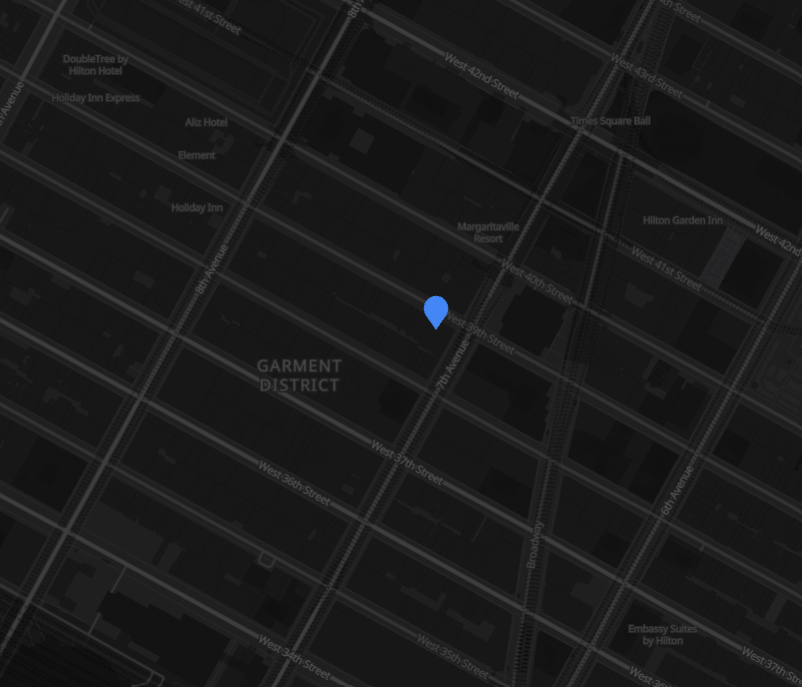
H. Moser & Cie. Moserland New York
530 Seventh Ave
Suite 2408
NY 10018, New York
U.S.A.
Book an appointment to discover the Kubera
info@melb-americas.com